Can You Say, Marketing?
Part of playing with dolls as a kid (or any toy) is using your imagination. Kids playing with dolls can make them do whatever they want. They can give them whatever trait or personality they want. It’s part of the fun. It also has value for cognitive development.
Well, Mattel doesn’t think so. A generic doll on which a kid can project anything can’t make as much money as dozens of dolls with specific features. Therefore, I can’t say I was surprised when I came across this article about Mattel releasing a barbie on the Autism Spectrum. But I did think it was ridiculous.
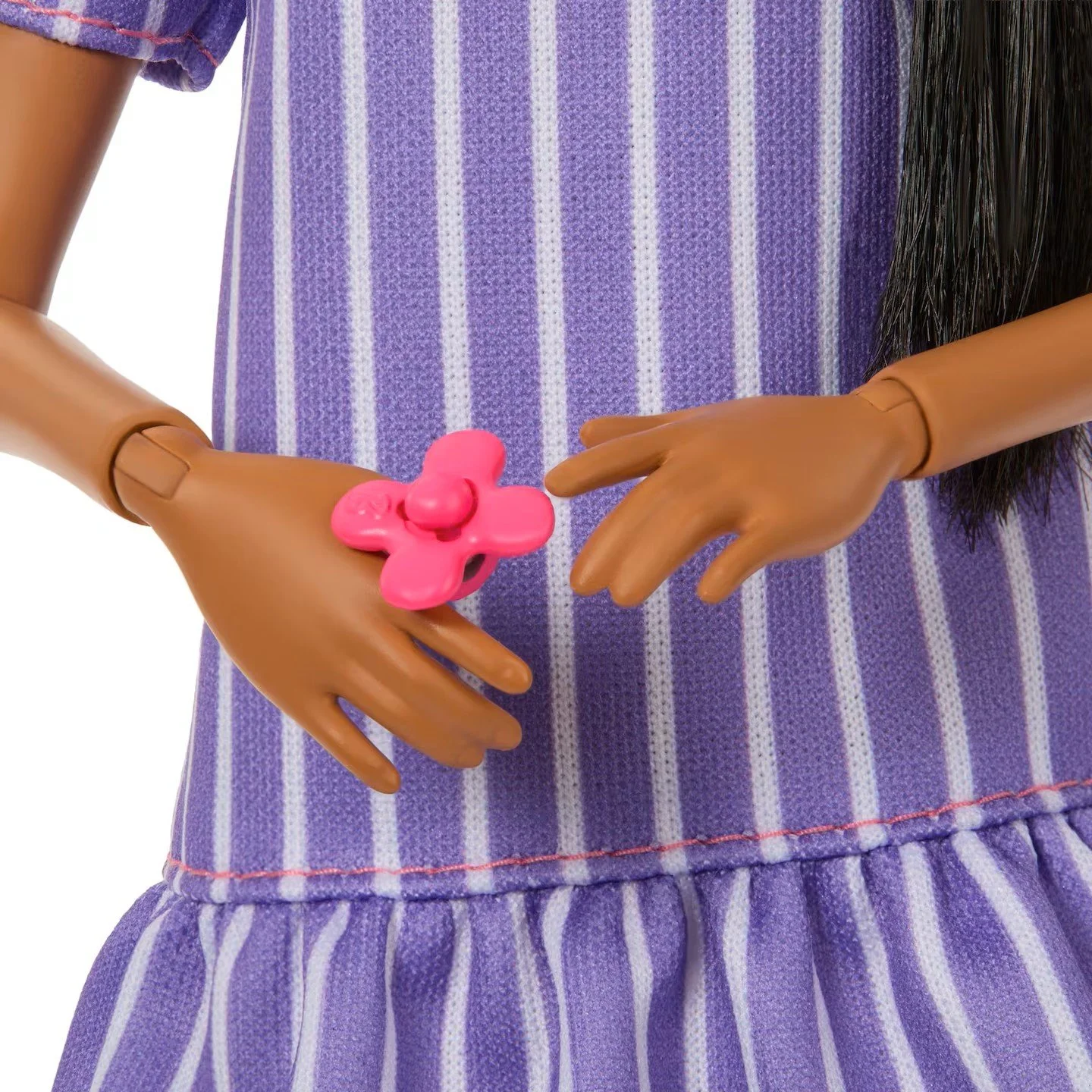
How can we tell the doll has autism? She’s holding a fidget spinner, of course.
Fidget spinner = Autism? Really? I thought we were supposed to be questioning stereotypes these days, not making up new ones.
I’m not mad or offended by the new doll (and if I were that would be my problem, not anyone else’s). I would even applaud the goal of helping kids feel confident and accepted, if I thought this was a genuine effort to do so. But I don’t think that.
This is marketing. I can see the members of the assembled working group sitting around a table (or as little squares on the screen in a Teams meeting):
“Ok, folks, we need a new doll and she needs to be original. We’ve already covered every skin colour and hair variety we can think of. Ideas?”
“Um... there’s a lot of buzz about neurodiversity right now.”
“Yes! Love it. We’ll make a doll on the Autism Spectrum. Stamp it, ship it!”
“Wait. How are people gonna know she’s on the spectrum? I mean, Jerry over here has ASD, but you can’t tell by looking at him.”
Hmmm. All brows furrow. Until...
“Ooo, I know! She can have one of those stemming toys.”
“You mean stimming toys?”
“Yeah those.”
“Like a fidget spinner?”
“Perfect!”
If, as a kid, I’d been asked to provide a visual for autism, I probably would have drawn a kid holding an airplane (possibly made out of Lego and scotch tape) and watching The Little Mermaid.
Airplanes and Disney movies were two of my brother’s obsessions (still are, actually). But, even as a kid, I could have told you it wouldn’t necessarily apply to any other autistic kid. I certainly would not have looked at a doll holding a mini toy airplane and thought, It likes planes. It must have autism!
Plenty of ‘neurotypical’ kids, and some adults for that matter, use fidget spinners and other sensory toys. They’re fun, they’re gimmicky. People love a gimmick.
I guess the real marketing trophy goes to whoever first thought to market the fidget spinner as the stimming toy. And now the marketing hole gets deeper as the fidget spinner is being used to market Spectrum Barbie.